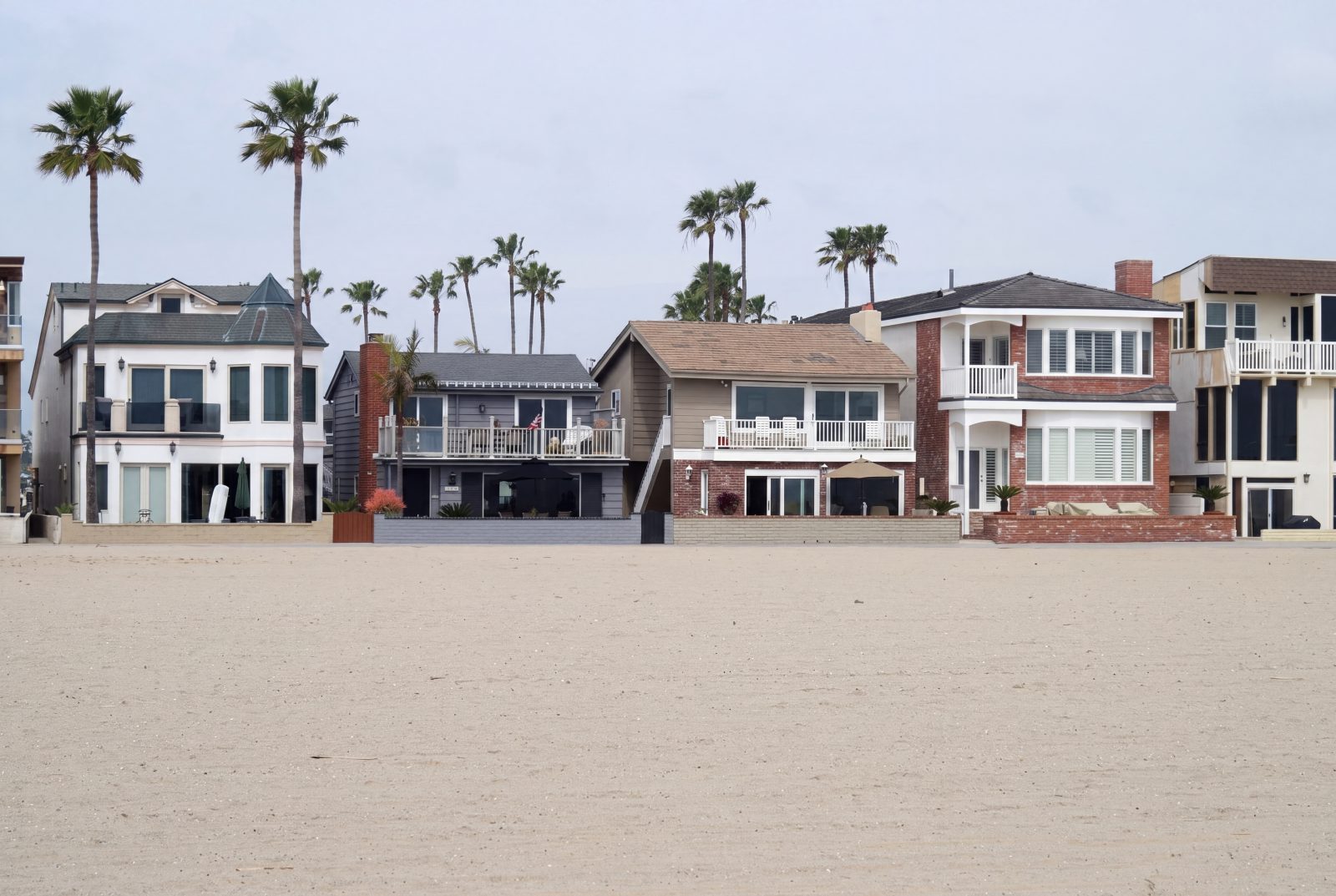
Short-Term Rentals
Airbnb. VRBO. Booking.com. Direct. 18% all-in, not the 25–35% national STR brands charge. Dynamic pricing. Hospitality-grade turnovers. California TOT and city-permit compliance handled in-house.
The STR Program
Short-term rentals are not "long-term rentals with an Airbnb listing on top." Done well, they're a hospitality operation: 24/7 guest messaging, 4-hour turn windows, dynamic pricing re-evaluated daily, year-round permit and TOT filings, and a local responder who can be on-site within 20 minutes when something goes wrong.
Done badly, which is how the national STR brands operate when they bolt a templated nationwide playbook onto a Newport Beach beachfront, you get fee bloat, permit compliance gaps, missed bookings on local event weekends, and a 4.2-star review average that quietly kills your nightly rate.
We run STRs like a boutique hotelier would: on the ground, on the calendar, on the permit work, every day. And we publish our fee at 18% so the math actually pencils for the owner.
Estimate My STR Income →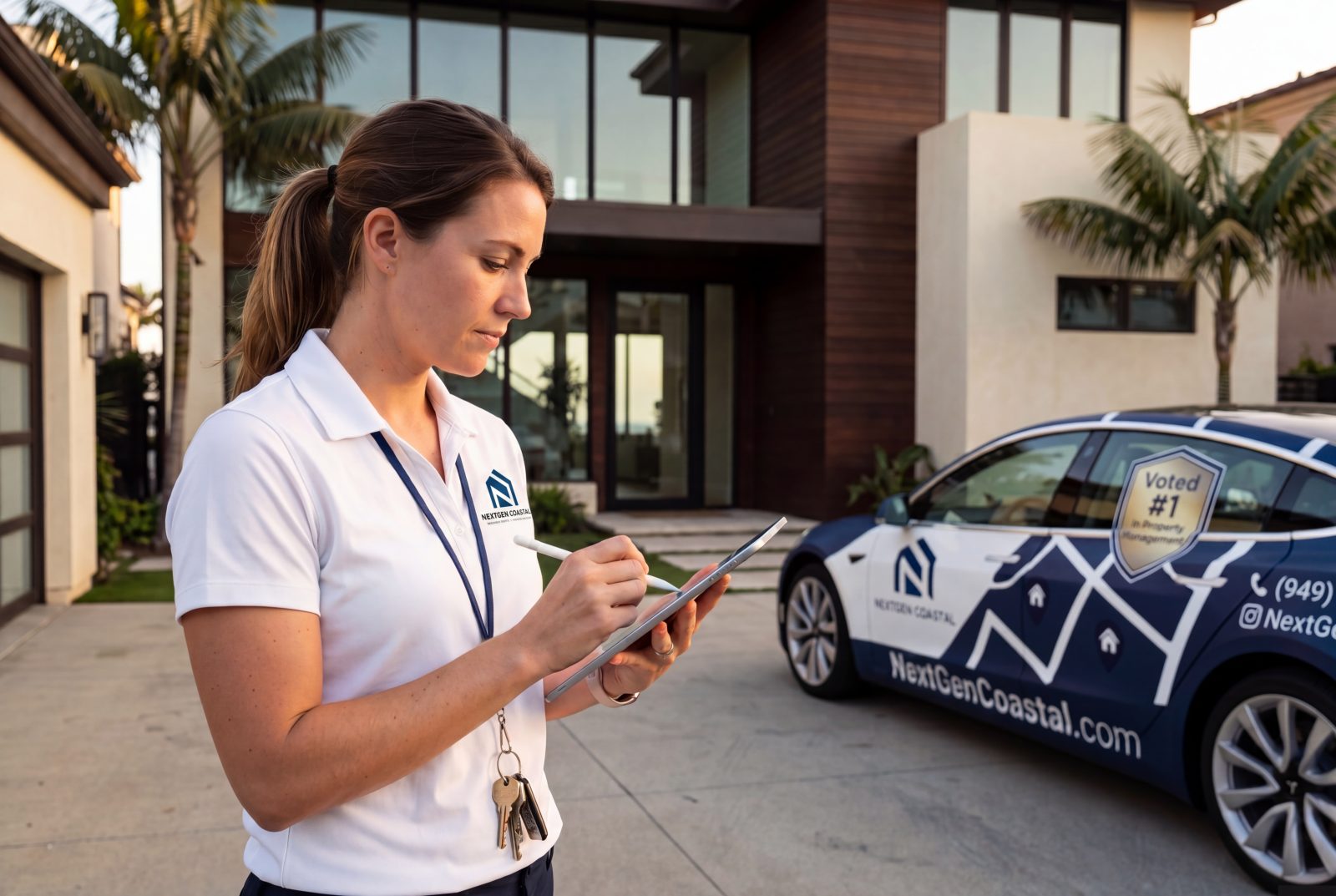

Hospitality, not landlording
Included in Every Engagement
Five operational layers, all included in the 18% fee. No upsells. No "premium tier" you have to opt into to get pricing optimization.

STR permit applications, annual renewals, business-license filings, and monthly Transient Occupancy Tax remittance, handled by our in-house compliance team. CPA-ready audit trail in the owner portal. You never see a tax form. You never miss a renewal.

STR-certified crews on a documented checklist: hotel-folded commercial linens, full consumables restock, timestamped damage-flagging photos, walk-through before the next guest arrives. 4-hour windows standard, 2-hour same-day flips supported.
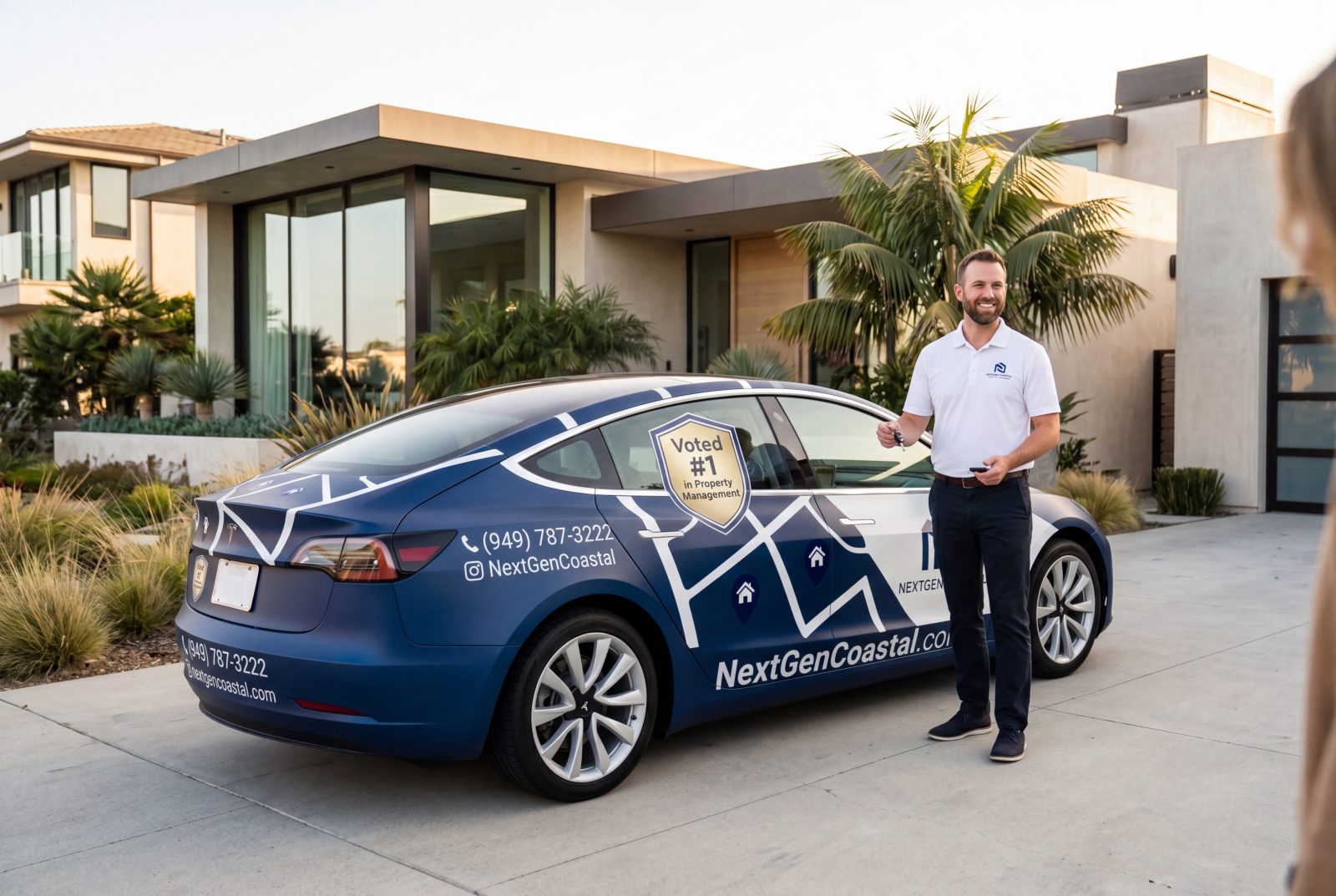
Owner driving in for the weekend? We meet them at the property in the Model 3, hand over keys, walk them through what's been done since their last visit. Premium-stay guests get the same treatment as a hotel front desk on wheels.
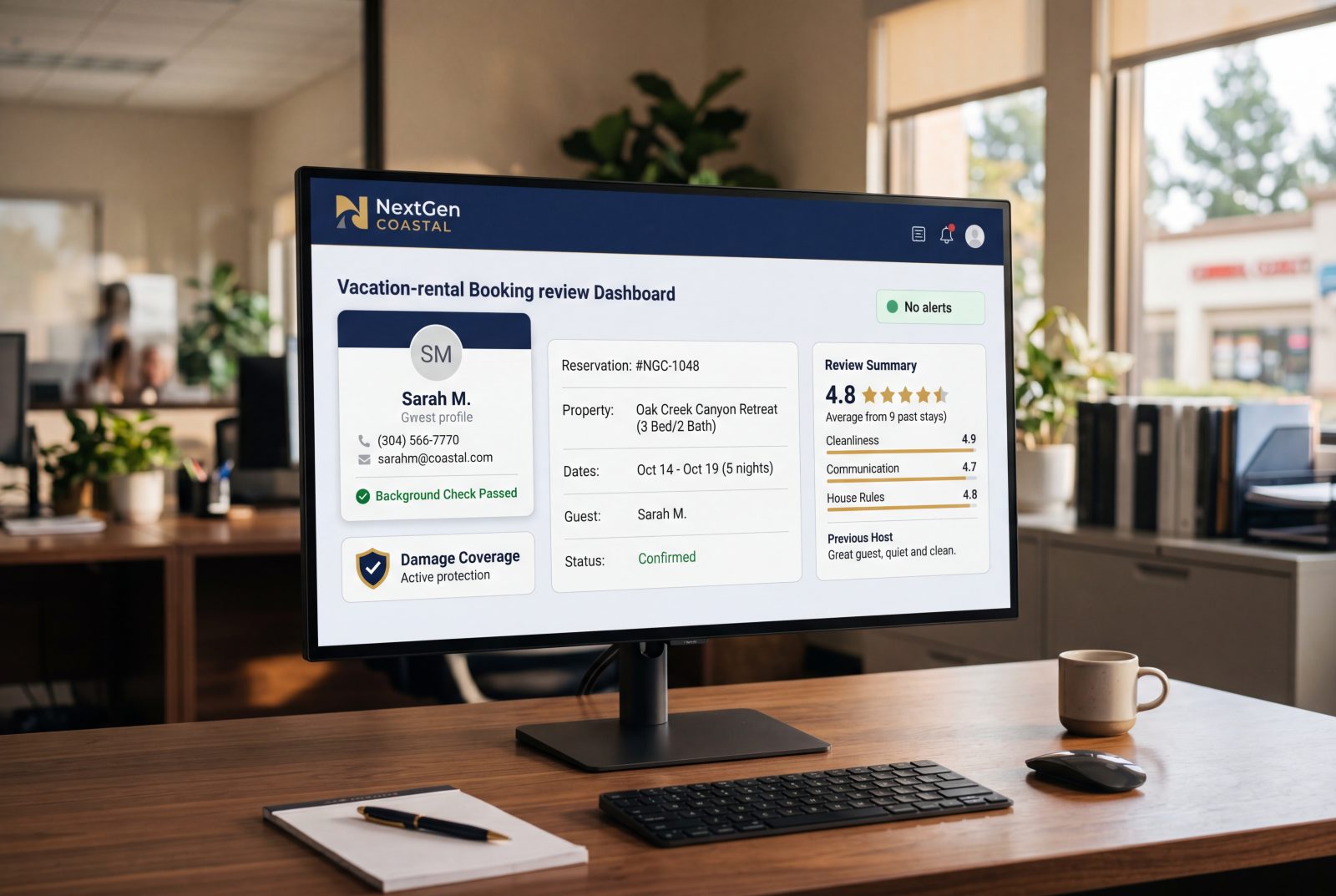
ID-verified bookings, prior-platform review checks, Safely / SuperHog damage coverage, and AI-flagged party-throwing patterns blocked before they reach your calendar. After-hours noise routed to a local responder on-site within 30 minutes, not a 1-800 voicemail.

Inquiries answered within 5 minutes, average reply under 90 seconds during peak season. AI-assisted first-touch with human escalation. Translates to higher Superhost / Premier Host metrics, which compound into search ranking and ADR.

Pricing
Static nightly rates leave 14–22%3 of revenue on the table for any coastal California STR. RentVelocity™ STR ingests five live inputs daily and re-prices every property automatically:
You set a nightly floor (and a ceiling if you prefer); we manage everything in between. The result is higher RevPAR than flat-rate pricing without the manual calendar babysitting that breaks most owner-operated STRs.
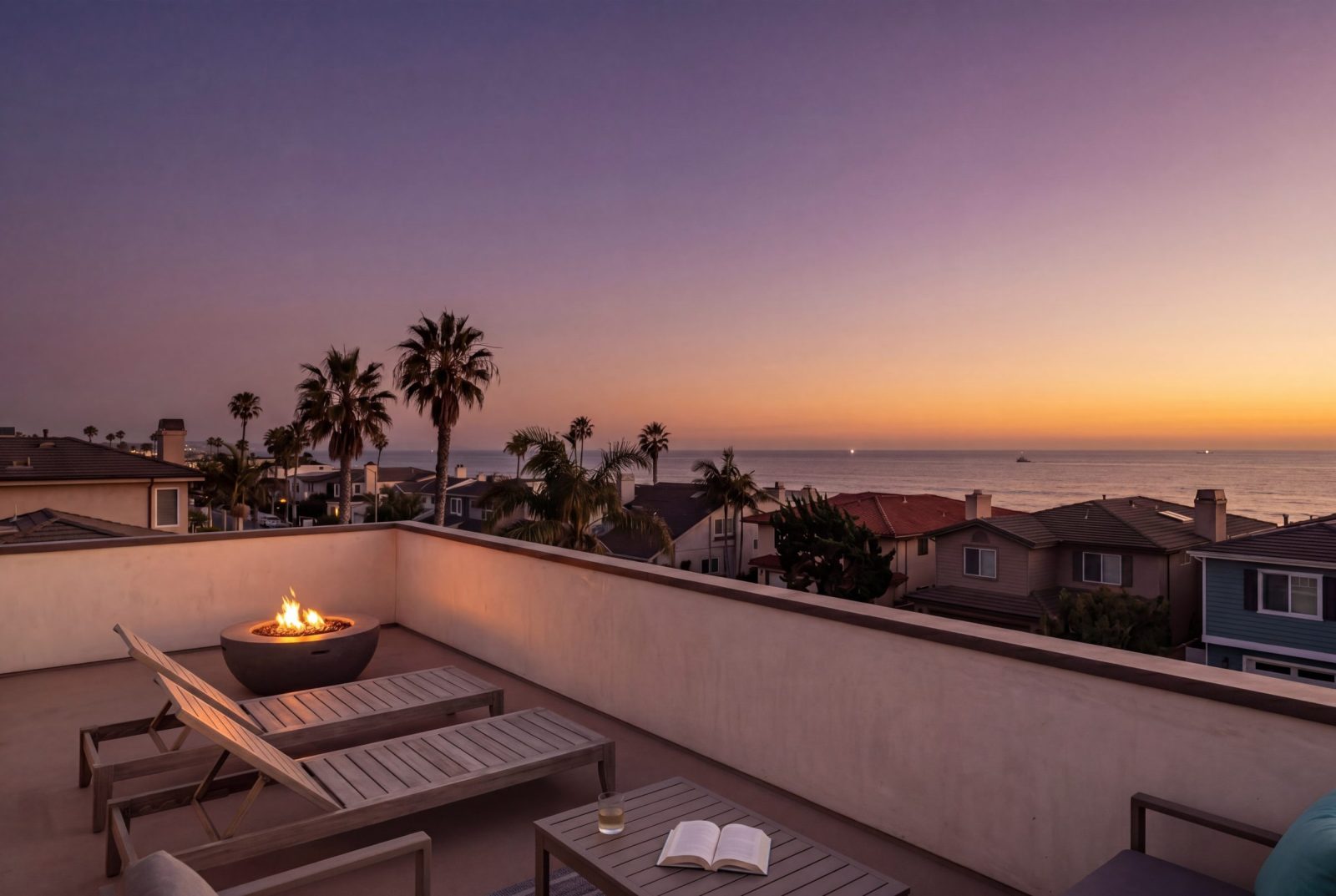
Powered by AI
Static nightly rates leave money on the calendar. RentVelocity™ STR re-prices every 24 hours against five live inputs: comparable bookings inside 0.5 miles, day-of-week demand, booking pace, event calendars, and weather. Owners see a 14–22% gross revenue lift versus flat-rate pricing.
Empty nights between guests are STR's silent killer. VacancyVaporizer™ tracks orphan-night gaps, auto-discounts unlikely-to-fill nights, and adjusts minimum-stay rules when booking pace shifts. Coastal STR portfolio occupancy: 71% versus a 55–60% market norm.
An STR eviction is a party booking that gets the police called and your permit suspended. EvictionPrediction™ STR blocks red-flag bookings, one-night Saturday stays with zero reviews, group sizes over capacity, mismatched ID names, before they hit the calendar. Your permit stays clean.
STR turnover compresses every maintenance issue into a 4-hour checkout-to-check-in window. PropertyGuardian™ ingests turnover photos, flags damage via image diff, dispatches a vendor before the next guest arrives, and routes after-hours noise complaints to a local responder on-site in 30 minutes.
STR has its own cost stack: linen programs, hot-tub service, pool chemicals, restock, hospitality cleanings. National brands mark these up 15–30%. OpExEdge™ benchmarks each line against our coastal portfolio and bills cleanings at the cleaner's invoice, no hidden retainer.
Inside the Rentals
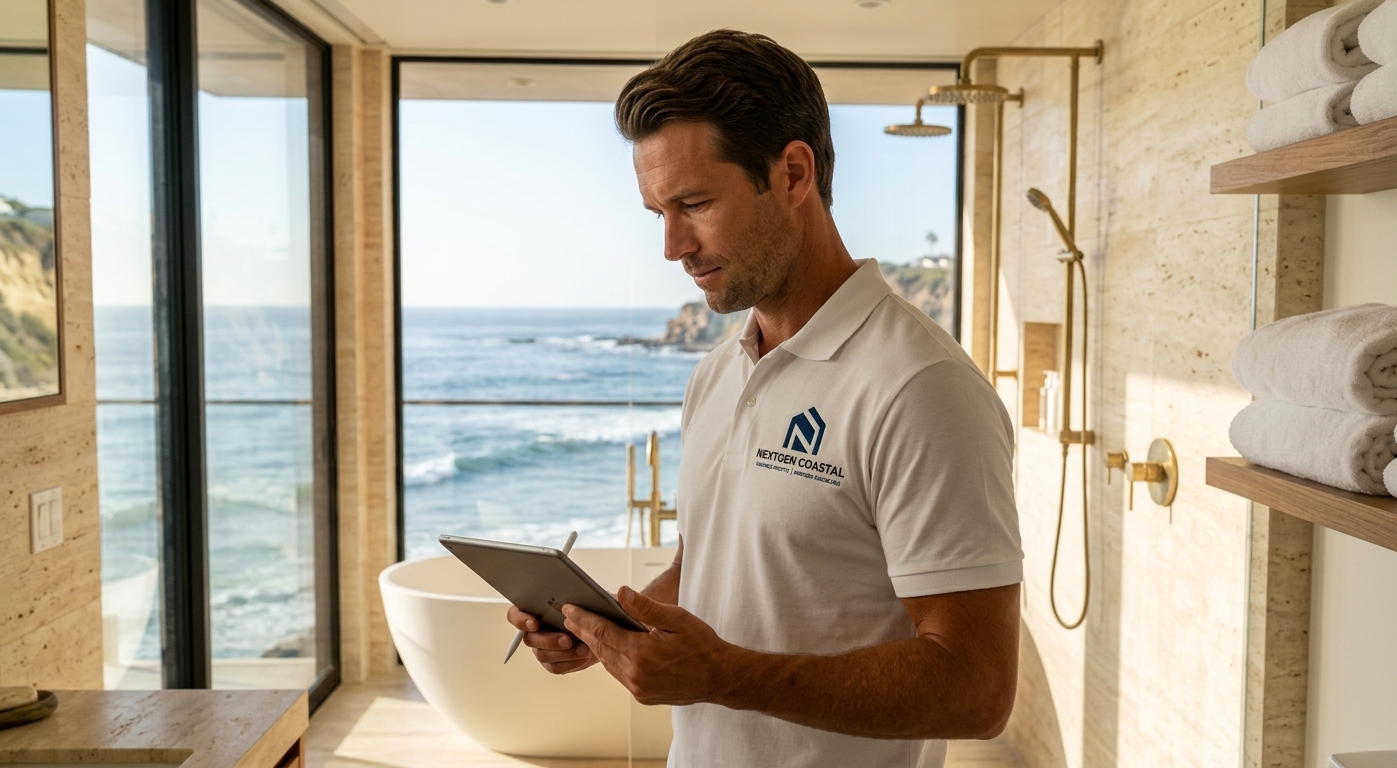
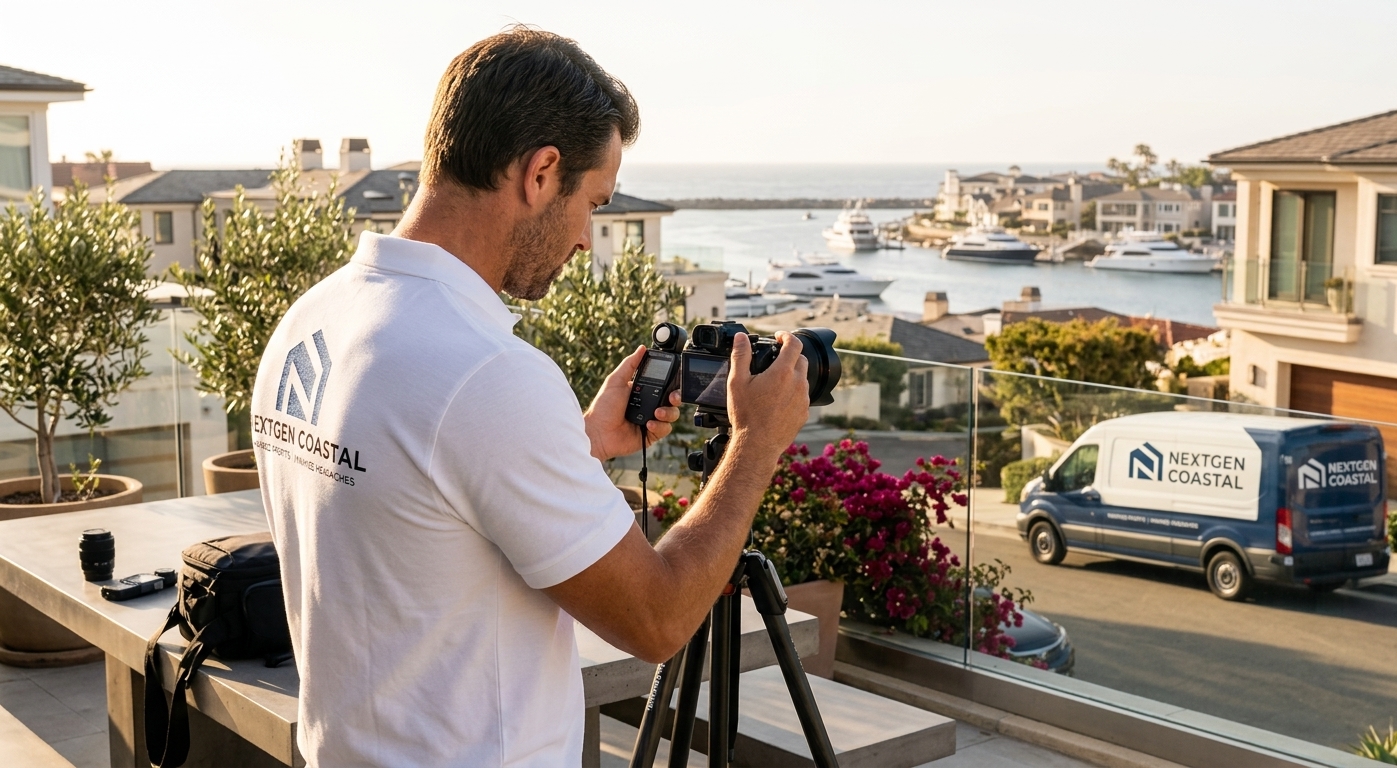
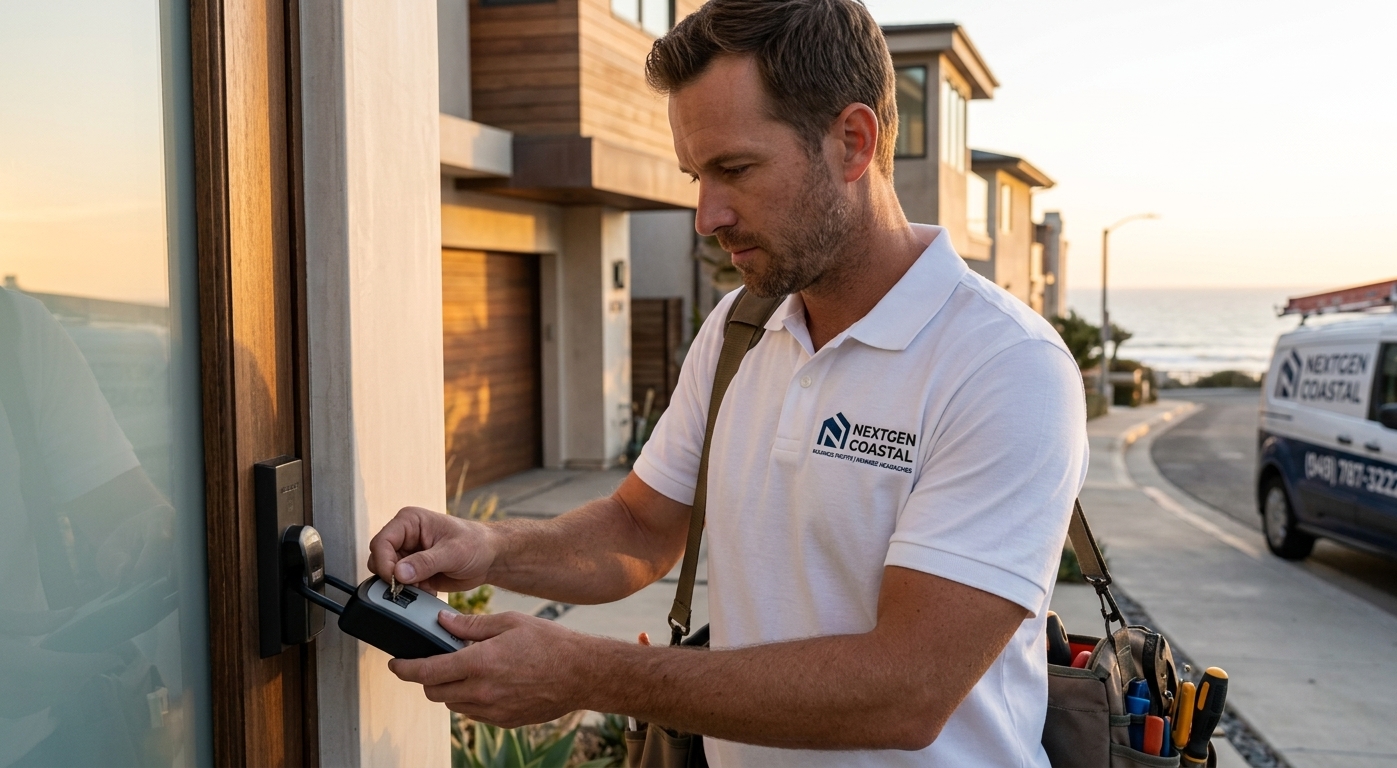

Coastal California STR Permit Landscape
Carlsbad, Oceanside, Solana Beach, Imperial Beach, Coronado, San Clemente, Dana Point, most of Santa Barbara County coast. Standard registration + TOT remittance. New permits typically issued within 30–60 days.
San Diego (tiered STRO permits, Mission Beach & Pacific Beach caps), Newport Beach (district moratoria, 7-day minimums in select zones), Encinitas, Del Mar. New entry possible but conditional, we screen your address before you commit.
Santa Monica, Hermosa Beach, Manhattan Beach, Malibu (primary-residence-only or 30-day-minimum rules). For these we typically recommend a hybrid 9-month long-term + 3-month corporate furnished play instead.
The Honest Comparison
The national STR brands run a templated playbook from a regional call center. We run a coastal California operation, on the ground, with a published fee that respects the math.
| Feature | NextGen Coastal | National STR Brand2 |
|---|---|---|
| Management fee | 18% all-in | 25%–35% |
| Marketing / setup fee | $0 | $500–$2,500 onboarding |
| CA TOT & city permit work | In-house, included | Owner responsibility (or surcharged) |
| After-hours noise response | Local crew, on-site <30 min | Out-of-state call center |
| Dynamic pricing | PriceLabs + RentVelocity™ STR | Proprietary, opaque to owner |
| Direct-booking site | Property-branded, included | Brand-owned, not yours |
| Owner payout speed | 1-2 days post month-end | 15–30 days |
| Contract length | Month-to-month after 90 days | 12–24 month minimum |
Considering switching after Casago acquired Vacasa? See the full NextGen Coastal vs Vacasa breakdown.
Coastal California STR Markets
Family STR market, LEGOLAND + beach demand year-round, friendly permit regime
Pier & Strand walkable rentals, growing pace from displaced San Diego demand
Premium beach STRs, 25% TOT, strict Cays rules, top-tier ADRs
Tiered STRO permits, capped, existing-permit acquisitions only in some zones
North County coastal demand, surfing-tourist driven, mid-tier ADRs
South OC beach STRs, registration-based, family-summer demand
Harbor-adjacent & Strands beach rentals, Capistrano Beach permit zone
Wine country + beach combo, Funk Zone walkable, premium ADRs
The Hybrid Play
Hybrid model: 9-month long-term lease September through May (academic-year tenant, executive on assignment, off-season snowbird), then operate the property as a 3-month peak-summer STR June through August.
Done right, hybrid generates 18–28% more annual revenue than year-round long-term and 8–15% more than year-round STR, with materially lower wear-and-tear and dramatically simpler permit and TOT compliance (because peak-summer is when most cities are most permissive).
We model the math against your specific address, HOA rules, city permit window, comparable nightly rates, comparable academic-year rents, before you commit to either path. Most coastal owners are surprised which way the model lands.
Free address-specific projection: annual revenue, occupancy, ADR, and a permit-eligibility check, delivered within one business day. No pitch call.
Common Questions
Our published rate is 18% of gross booking revenue, meaningfully below the 25–35% range charged by Vacasa, AvantStay, and Evolve. The fee covers everything: Airbnb / VRBO / Booking.com listing management, dynamic pricing, professional photography, 24/7 guest messaging, turnover coordination, restocking, owner reporting, California Transient Occupancy Tax (TOT) collection and remittance, and city-permit renewal management. There is no marketing fee, no setup fee, and no per-stay surcharge.
Permit landscapes vary city-by-city, and they change. Today: Carlsbad, Oceanside, Solana Beach, Imperial Beach, Coronado, San Clemente, Dana Point, and most of the Santa Barbara County coast all permit STRs with a current registration. San Diego operates a tiered STRO permit with strict caps in Mission Beach and Pacific Beach. Newport Beach permits STRs but with hard caps and a moratorium on new permits in some districts. Santa Monica, Hermosa Beach, Manhattan Beach, and Malibu have restrictive primary-residence-only or 30-day-minimum rules that effectively rule out a traditional STR. We tell you in writing, before you sign, whether your specific address qualifies and what the permit path looks like.
Yes, fully in-house. We collect TOT from every booking (typically 8–12% depending on city), file the monthly or quarterly return with the city, remit the tax, and reconcile to your owner statement. We also handle initial STR permit applications, annual renewals, business-license filings, and the city-mandated noise / occupancy / parking attestations. You never see a tax form. You never miss a renewal deadline. The CPA-grade audit trail lives in your owner portal.
Dynamic pricing via PriceLabs + our own RentVelocity™ STR model, re-priced every 24 hours against five inputs: comparable bookings within a 0.5-mile radius, day-of-week demand patterns, advance-booking pace, local event calendars (US Open at Torrey Pines, Coachella, Laguna Pageant of the Masters, Carlsbad LEGOLAND traffic), and weather forecasts. Owners on dynamic pricing average a 14–22% revenue lift versus their previous flat-rate strategy. You set a floor; we manage the ceiling.
Every booking is verified before keys are issued: government ID match against the booking name, prior-platform reviews (Airbnb / VRBO history), and a deposit-or-equivalent damage protection policy through Safely or SuperHog. House rules are codified in the listing and re-confirmed at booking. We block known party-throwing patterns (one-night Saturday stays for a local guest, group bookings with 0 reviews) before they ever reach your calendar. After-hours noise complaints route to a local responder, not a 1-800 number, within 30 minutes.
A vetted bench of STR-certified cleaning crews, distinct from our long-term-rental turnover vendors. STR cleaning is its own discipline: hospitality-grade linens (commercial-laundered, hotel-folded), restocking of consumables (coffee, paper goods, soap, water), sanitization to a documented checklist, walk-through inspection with timestamped photos, and damage flagging before the next guest checks in. Turn windows of 4 hours between checkout and check-in are routine; 2-hour same-day flips are doable for back-to-back bookings.
Airbnb, VRBO, Booking.com, and our own direct-booking site syndicated under the property's own brand. Channel manager keeps the calendar in perfect sync, no double-bookings, no manual rate updates. Direct bookings save the OTA commission (Airbnb takes 14–16% from the guest, VRBO 5% from the host plus 10% from the guest); we route repeat guests to the direct channel at the second booking onward and split the channel-fee savings with the owner.
Three structural differences. Fee: 18% all-in vs 25–35%. Local presence: our crews live in the markets we serve, a noise complaint at 11pm in Carlsbad is answered by a person who can be on-site in 20 minutes, not a Denver call center. Compliance: California city-permit and TOT work is done by our in-house team who specialize in coastal CA, not a templated nationwide playbook that misses Newport Beach's 7-day minimum or Coronado's 25%-of-gross TOT. Owners switching from a national STR brand average a 19% net-income increase in their first 12 months, half from fee compression, half from better local pricing and occupancy.
We project-manage furnishing end-to-end if you want us to: design brief, FF&E budget, sourcing through trade-only vendors (Restoration Hardware Trade, Crate & Barrel B2B, Jonathan Adler), installation, and styling for the photoshoot. Typical 3-bed coastal STR furnish: $35K–$55K, paid back in incremental booking revenue within 8–14 months for most coastal markets. If you already have a furnished property, we run a styling audit first, small changes (new linens, art, lighting) often lift booking conversion 15–25% without a full refurnish.
Real-time dashboard in your owner portal: bookings, occupancy, ADR, RevPAR, channel mix, review average. Monthly statement shows gross booking revenue, channel commissions, our 18% fee, cleaning fees passed through to guests, TOT collected and remitted, and owner net, direct deposited within 1-2 days of month-end. Year-end 1099 plus a CPA-ready ledger of all TOT remittances. Quarterly written review with photographs, occupancy benchmarks vs. your submarket, and a 90-day pricing strategy outlook.
Yes, and it's often the right financial answer for a coastal California property. Hybrid strategy: 9-month long-term lease September through May (academic-year tenant, executive on assignment, off-season snowbird), then operate as a 3-month peak-summer STR June through August. Done right, hybrid generates 18–28% more annual revenue than year-round long-term and 8–15% more than year-round STR, with lower wear-and-tear and dramatically simpler permit compliance. We model the math for your specific address before you commit to either path.
Standard homeowner's policies typically exclude short-term rental activity, a claim filed on a long-term homeowner policy for an STR-related incident will usually be denied. You need either an STR-specific carrier (Proper Insurance, Slice, or CBIZ) or a commercial-rated policy with an STR endorsement. We require proof of STR-rated coverage before activating bookings and can introduce you to two carriers we work with regularly. Airbnb's AirCover and VRBO's Liability Insurance are supplemental, not a substitute for proper carrier coverage.
