Permit Guide · Updated May 2026
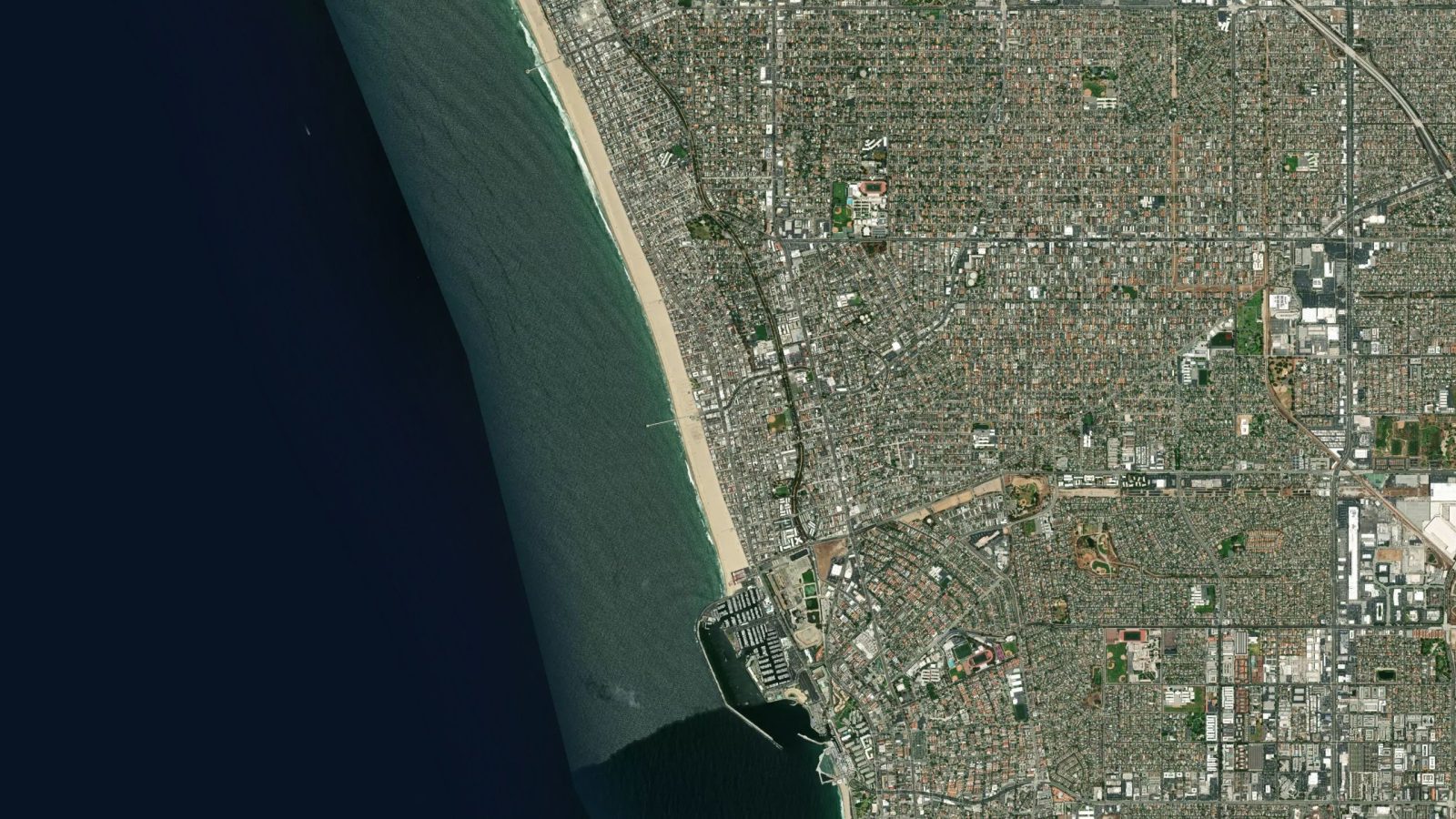
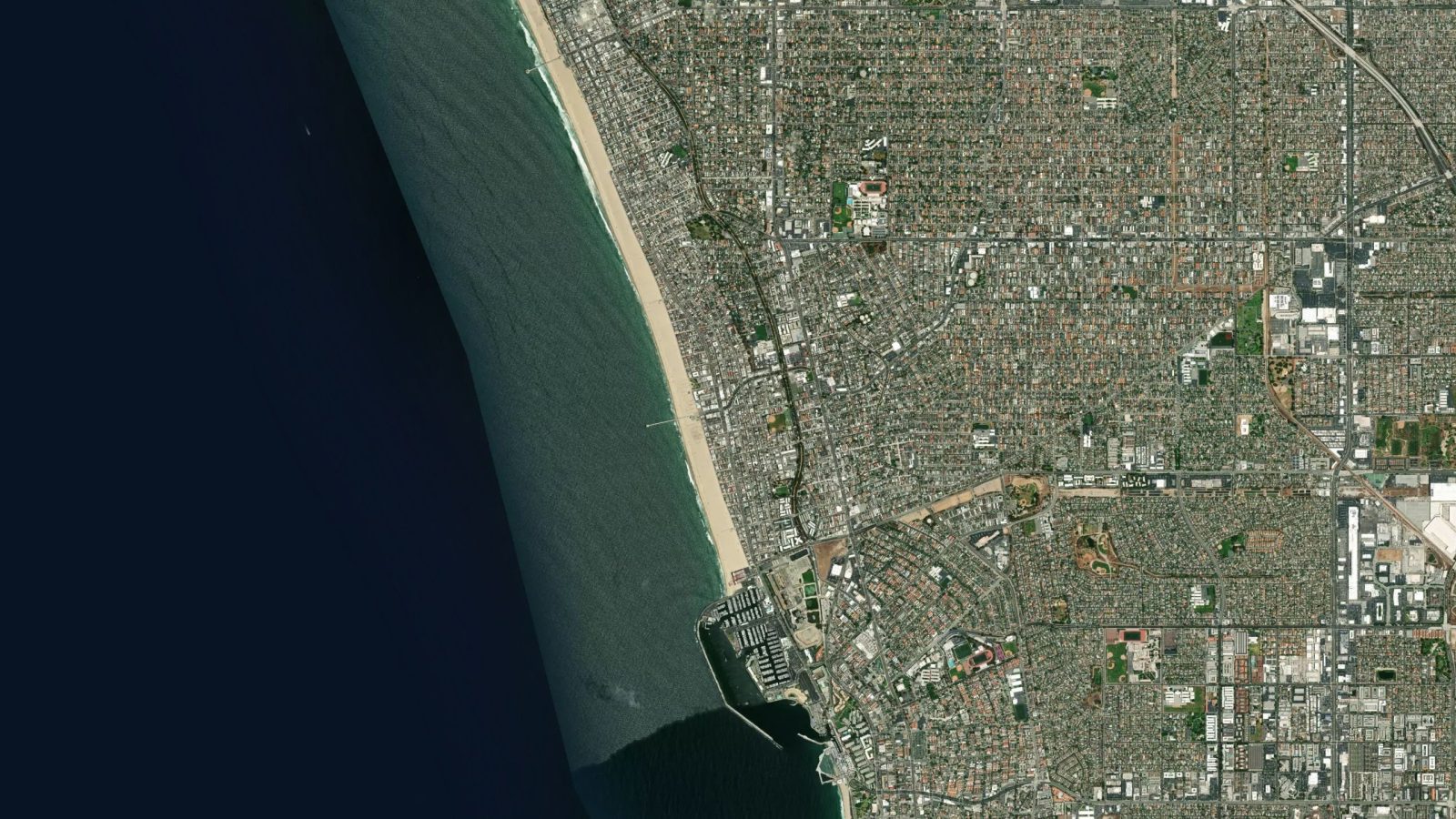
1.4 square miles of walkable beach city with some of the strongest per-unit STR rates in LA County, and neighbor density that demands professional management.
Key regulatory facts for STR operators. Last verified May 2026.
| Rule | Detail |
|---|---|
| Transient Occupancy Tax | 12% of gross rental revenue, remitted monthly |
| Citywide Permit Cap | None, no numerical cap on STR permits |
| Minimum Stay | No city-imposed minimum (treat as if one exists operationally) |
| Required Permits | STR permit + City business license, annual renewal |
| 24/7 Contact Required | Yes, mandatory and operationally critical in a city this small |
| City Size | ~1.4 square miles, code enforcement knows STR addresses by name |
| Key Risk Factors | Pier Ave nightlife adjacency, severe parking constraints, neighbor density |
Small city, small margin for error. These are the operational failures we see most often.
01. Pier Ave adjacency and late-night noise
Properties within a few blocks of Pier Avenue face a specific and very predictable risk: guests spend the evening at the bars, come back to the property after midnight, and continue the party on the patio or in the living room with windows open. In a city as compact as Hermosa Beach, neighbors are close enough that this is almost guaranteed to generate a complaint on a busy weekend. The mitigation isn't complex, explicit quiet hours (10 p.m. on weeknights, 11 p.m. on weekends) communicated before and during the stay, not just in a welcome book that guests skim. Operators who treat Pier Ave proximity as an asset without managing the associated risk consistently see enforcement issues within their first season.
02. Multiple vehicles and the parking crisis
Hermosa Beach has some of the most constrained residential parking of any beach city in LA County. The city is simply too small and too dense for guests to assume parking will be available. A group that drives two vehicles to a property near The Strand or Pier Ave will struggle to find legal spots, and they'll frequently park illegally, triggering both neighbor complaints and city parking enforcement. Your listing should state the vehicle limit clearly, your booking message should repeat it, and your welcome guide should provide the addresses and rates of the closest paid lots, because guests will need them regardless.
03. Underestimating code enforcement in a city this small
Hermosa Beach's code enforcement department covers 1.4 square miles. They know which properties are STRs, they know the operators' names, and they respond to complaints with the urgency of a small municipality where neighbor relations are a political priority. Self-managing operators who believe that response times here are comparable to larger cities like Long Beach or San Diego are routinely surprised. A responsive local contact who can physically reach the property within 20 minutes is not a luxury in Hermosa Beach, it is the difference between a warning and a permit suspension.
Four steps. Complete them in order before accepting any bookings.
Contact the Hermosa Beach Community Development Department to confirm your parcel is in an STR-eligible zone. In a city this small, the confirmation takes minutes and eliminates any ambiguity before you invest time in the full application process.
Submit your STR permit application through the city, along with your business license application. Designate a 24/7 local contact, in Hermosa Beach, this person needs to be genuinely local and genuinely available, not just listed for compliance purposes. Both documents renew annually.
Register for Transient Occupancy Tax with the City of Hermosa Beach. At 12%, this is the same rate as Manhattan Beach and among the higher rates in the region. Set up tracking for any non-platform bookings that require manual remittance, direct bookings are your responsibility regardless of how the revenue arrives.
List your property with the permit number displayed as required. Write explicit house rules covering quiet hours, vehicle limits, and guest occupancy maximums. For Pier Ave-adjacent properties, include proactive language about noise expectations, and consider a noise monitoring device that alerts your local contact before a neighbor calls the city.
Cost estimator
Hermosa Beach levies 12% TOT on gross booking revenue. Enter your expected annual gross below to see the full cost breakdown alongside NextGen Coastal's 18% all-in management fee.
$1,589/yr (commercial zones C-2/C-3/SPA only)
TOT is collected from guests, not an owner expense. Cleaning billed at vendor cost to guests and is excluded here.
| TOT (12%), paid by guests | - |
| Annual permit fee | - |
| Total city obligations | - |
| NextGen Coastal fee (18%) | - |
| Net to owner (est.) | - |
Net to owner = gross revenue minus NGC management fee and annual permit. Before cleaning costs.
Last verified May 2026. Regulations change, confirm current requirements directly with the City of Hermosa Beach before operating.
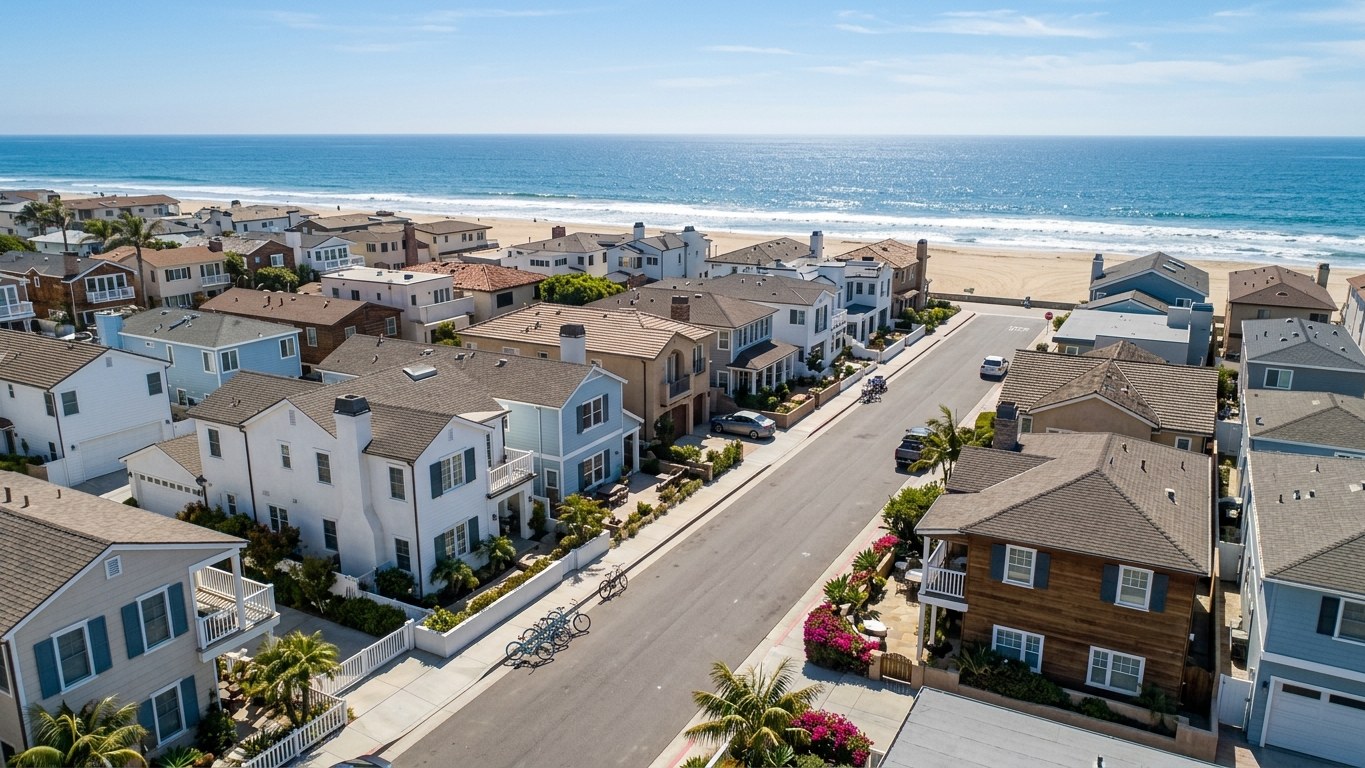
Noise management, parking enforcement, responsive local coverage, we operate Hermosa Beach STRs at 18% of gross revenue with the operational depth this small city demands.
