
Permit Guide · Updated May 2026
Some of the highest STR revenue per unit in Southern California, and some of the most active code enforcement. Here's how to operate on the right side of both.
Key regulatory facts for STR operators. Last verified May 2026.
| Rule | Detail |
|---|---|
| Transient Occupancy Tax | 12% of gross rental revenue, remitted monthly |
| Citywide Permit Cap | None, no numerical cap on STR permits |
| Minimum Stay | 2 nights, required by permit, enforced |
| Required Permits | STR permit + City business license, annual renewal |
| 24/7 Contact Required | Yes, must be genuinely reachable, not just listed |
| Enforcement Speed | Hours, not days, among the fastest in LA County |
| Peak Rate Range | $1,000–$5,000+/night on The Strand at peak demand |
High revenue potential comes with high operational standards. These are the mistakes that cost operators their permits.
01. Not controlling guest parking
In Manhattan Beach, parking is the complaint that gets permits pulled. The walk streets near The Strand have no driveways, guest vehicles go on residential side streets that neighbors depend on. A group that arrives in three cars for a "quiet weekend" generates complaints before they've unpacked. The fix is in the listing: state the parking limit clearly, note it again in your booking confirmation, and include it in your house rules with teeth. Reactive management, apologizing after the complaint, doesn't work when enforcement is already on its way.
02. Missing the revenue window during major events
The AVP Manhattan Beach Open (beach volleyball, typically late August) and the Fourth of July weekend are the two highest-demand periods in this market, properties that aren't priced and listed months in advance miss bookings at three to five times the base nightly rate. The same applies to Super Bowl weekends when the game is in a warm-weather city. These windows close early because sophisticated guests book far in advance, and last-minute rate increases don't compensate for the nights that already went unbooked at off-season prices.
03. Underestimating how fast MB enforcement responds
Manhattan Beach Code Enforcement is not like most LA County municipalities where a complaint sits in a queue for days. Operators who assume they can manage a problem guest situation over the course of a weekend evening before anyone notices are often wrong. Response times in the hours range mean that your 24/7 local contact needs to be someone who can physically get to the property quickly, de-escalate the situation, and document the response. That's not a virtual assistant in another time zone, it's local, professional management.
Four steps, done in order. Listing before step four is complete puts your permit at risk.
Verify that your parcel is in a residential zone that permits STR use under Manhattan Beach's municipal code. Most residential zones in the city allow STRs with a permit; confirm via the city's planning department or online parcel lookup before investing further time in the application process.
Submit your STR permit application to the City of Manhattan Beach, along with your application for a city business license. You'll need to designate a 24/7 local contact, provide property details, and pay applicable fees. Both documents renew annually and must both be current for your operation to be legally compliant.
Set up your Transient Occupancy Tax account with the city's Finance Department. The rate is 12%, higher than most neighboring beach cities. Major platforms with collection agreements remit on your behalf; any direct bookings require you to collect and remit manually each month. Don't let this slip, TOT liability accrues with interest.
Publish your listing only after your permit is in hand. Set the 2-night minimum stay in your platform settings from day one. Display your permit number in the listing as required. Write explicit parking rules, number of vehicles permitted, where they park, and the consequence of violating the rule, and include them in your house rules where guests must acknowledge them before booking.

Cost estimator
Manhattan Beach levies 12% TOT on gross booking revenue. Enter your expected annual gross below to see the full cost breakdown alongside NextGen Coastal's 18% all-in management fee.
~$350/yr est. business license (gross-receipts scaled); no standalone STR permit fee
TOT is collected from guests, not an owner expense. Cleaning billed at vendor cost to guests and is excluded here.
| TOT (12%), paid by guests | - |
| Annual permit fee | - |
| Total city obligations | - |
| NextGen Coastal fee (18%) | - |
| Net to owner (est.) | - |
Net to owner = gross revenue minus NGC management fee and annual permit. Before cleaning costs.
Last verified May 2026. Regulations change, confirm current requirements directly with the City of Manhattan Beach before operating.
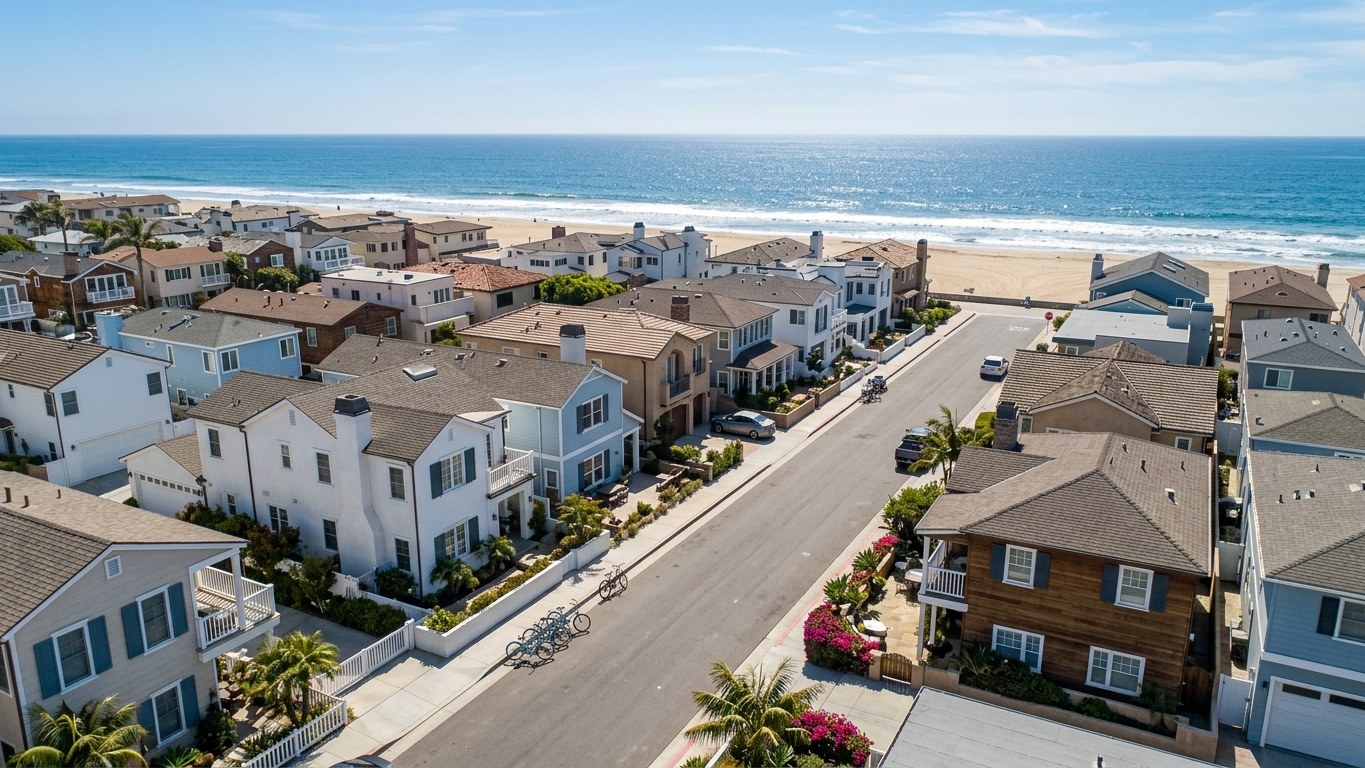
From Strand walk-street pricing to parking enforcement to same-day code enforcement response, our team manages your Manhattan Beach STR for 18% of gross revenue, fully compliant, actively managed.
