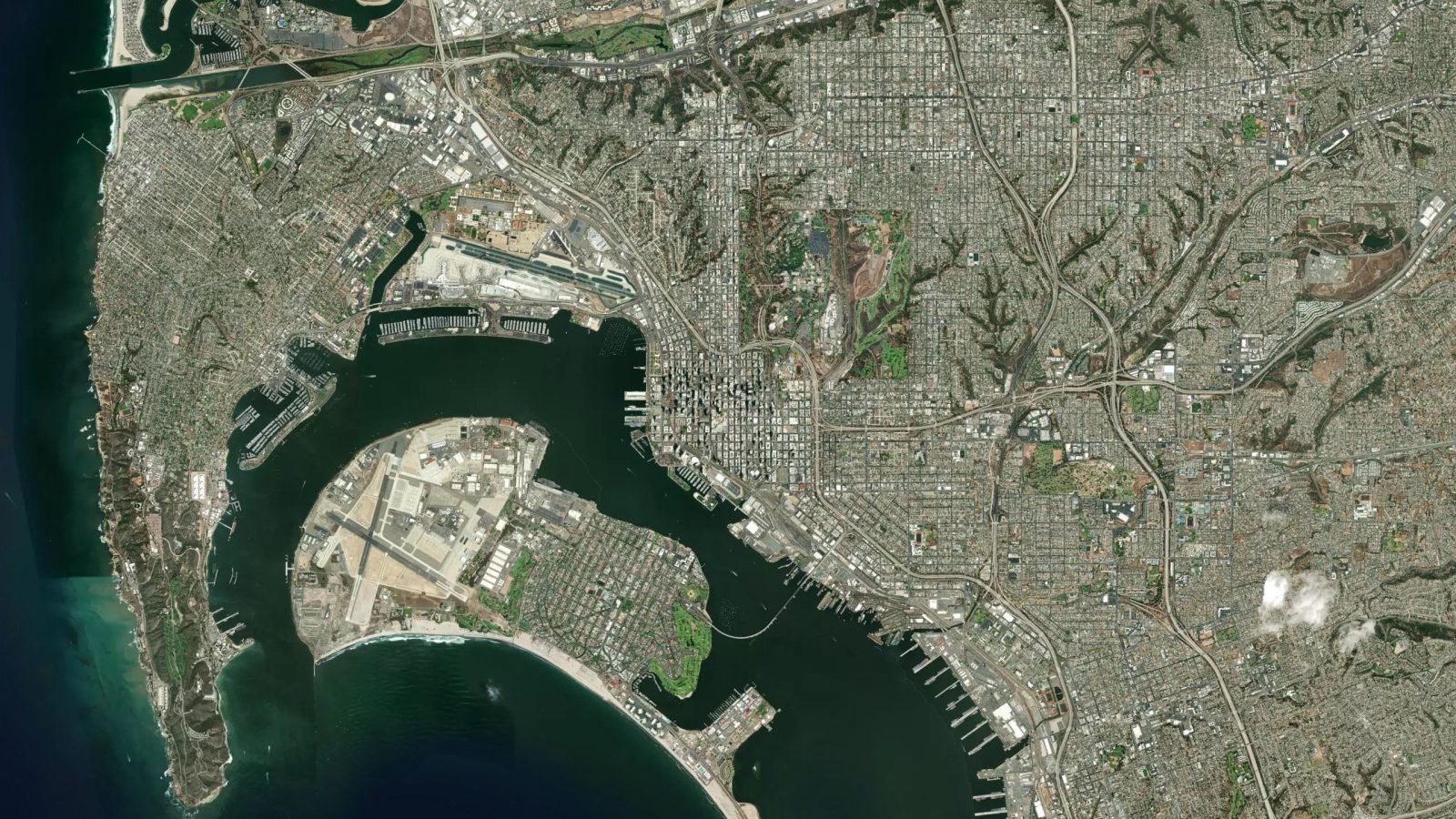
Permit Guide · Updated May 2026
San Diego's 4-tier permit system is the most complex STR regulatory framework in Southern California. Getting your tier right from the start determines whether your operation is legal, or a liability.
Key regulatory facts for STR operators. Last verified May 2026.
| Tier | Use Type | Key Conditions |
|---|---|---|
| Tier 1 | Home-sharing | Owner present, spare room(s) only. No cap, no day limit. Any residential zone. |
| Tier 2 | Whole-home, occasional | Primary residence, limited nights per year. No waitlist. |
| Tier 3 | Whole-home, extended | Primary residence required, up to ~6 months/year. Citywide cap, waitlist likely. |
| Tier 4 | Whole-home, Mission Beach | Mission Beach only. Hard cap at ~30% of residential units. Permits extremely limited. |
| Base TOT | 10.5% city base + ~2% Tourism Marketing District assessment in applicable areas | |
| Annual Renewal | Required for all tiers, lapsed permits must re-apply and may lose tier status | |
The four-tier system catches operators who don't understand which tier they qualify for, or who try to game the system. These are the most consequential mistakes.
01. Misrepresenting primary residence for a Tier 3 permit
The City of San Diego takes primary residence verification seriously, and the enforcement staff has become considerably more sophisticated at identifying misrepresentation since the four-tier system launched. Cross-referencing voter registration, driver's license, income tax, and utility records has flagged a substantial number of operators who listed a property as their primary residence while actually living elsewhere. The consequences, permit revocation, financial penalties, and a lasting enforcement record, are severe and entirely avoidable. If the property you want to STR isn't your genuine primary residence, Tier 3 is not available to you. Applying anyway is not a risk worth taking.
02. Applying for Tier 3 without understanding the waitlist timeline
Tier 3 permits are subject to a citywide cap, and the waitlist is not a formality, it is a real queue with a real timeline that has, in some periods, stretched to six months or longer. Investors who purchase a San Diego property expecting to begin operating an STR within weeks of closing, and who then discover they're on a Tier 3 waitlist, often find themselves carrying a vacant property for months. The correct order of operations is to confirm Tier 3 availability and waitlist status before you close on a property, not after.',
03. Buying in Mission Beach without confirming Tier 4 permit status
Mission Beach is one of San Diego's highest-demand STR markets, dense, beach-adjacent, and historically dominated by vacation rentals. But Tier 4 permits are capped and rarely newly issued, which means that the STR potential of a Mission Beach property depends heavily on whether it currently holds a Tier 4 permit and whether that permit is transferable to a new owner. Real estate listings in Mission Beach sometimes imply STR viability without confirming permit status or transferability. Before making an offer on any Mission Beach property with STR intentions, ask the city directly whether the existing permit is active and transferable, and get the answer in writing before you remove contingencies.
Five steps. Tier determination comes first, everything else follows from it.
Before anything else, assess which tier you genuinely qualify for based on your relationship to the property and its location. Will you be present during guest stays (Tier 1)? Is this your documented primary residence (Tier 2 or 3)? Is the property in Mission Beach (potentially Tier 4)? Getting this wrong at step one creates compliance problems that compound through every step that follows.
For Tiers 2 and 3, gather your primary residence documentation before submitting your application, voter registration, California driver's license, most recent state tax return, and utility accounts all in the property's address. Inconsistencies between these documents and the address you're applying under are the primary trigger for audit and denial.
Apply through the City of San Diego's Development Services Department for the appropriate tier. For Tier 3, be prepared for a processing timeline that may include a waitlist period, submit the application as early as possible. For Tier 4 (Mission Beach), confirm current permit cap status and transferability directly with the city before purchasing the property.
Register for TOT with the City of San Diego at 10.5% base. Determine whether your property falls within a Tourism Marketing District that adds the supplemental assessment, most coastal neighborhoods do. Confirm which assessments your primary platforms collect for your specific location, and track any gap for manual remittance. Set a monthly remittance calendar reminder before your first booking goes live.
Publish your listing with your permit number displayed, required by the city and the platforms. Set your operating parameters consistent with your tier: night limits for Tier 2, the operating window for Tier 3. Write house rules appropriate to your market, Mission Beach has different dynamics than La Jolla or Ocean Beach, and include your permit number in your house rules document as well as the listing header.
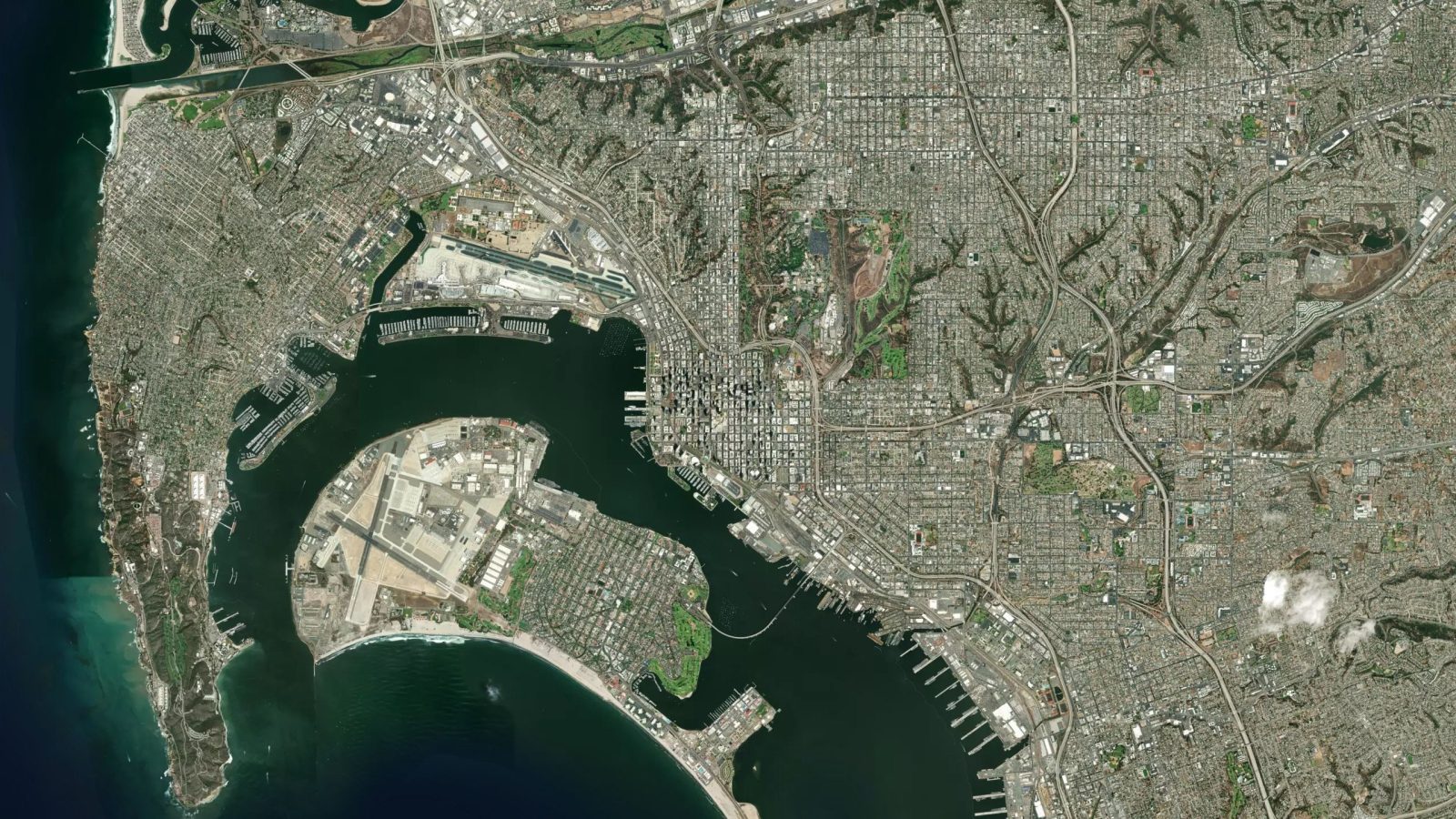
Cost estimator
San Diego levies 10.5% TOT on gross booking revenue. Enter your expected annual gross below to see the full cost breakdown alongside NextGen Coastal's 18% all-in management fee.
~$565/yr Tier 3/4 ($1,129/2-yr); Tier 1 ~$97, Tier 2 ~$142
TOT is collected from guests, not an owner expense. Cleaning billed at vendor cost to guests and is excluded here.
| TOT (10.5%), paid by guests | - |
| Annual permit fee | - |
| Total city obligations | - |
| NextGen Coastal fee (18%) | - |
| Net to owner (est.) | - |
Net to owner = gross revenue minus NGC management fee and annual permit. Before cleaning costs.
Last verified May 2026. Regulations change, confirm current tier availability, waitlist status, and TOT requirements directly with the City of San Diego before operating.
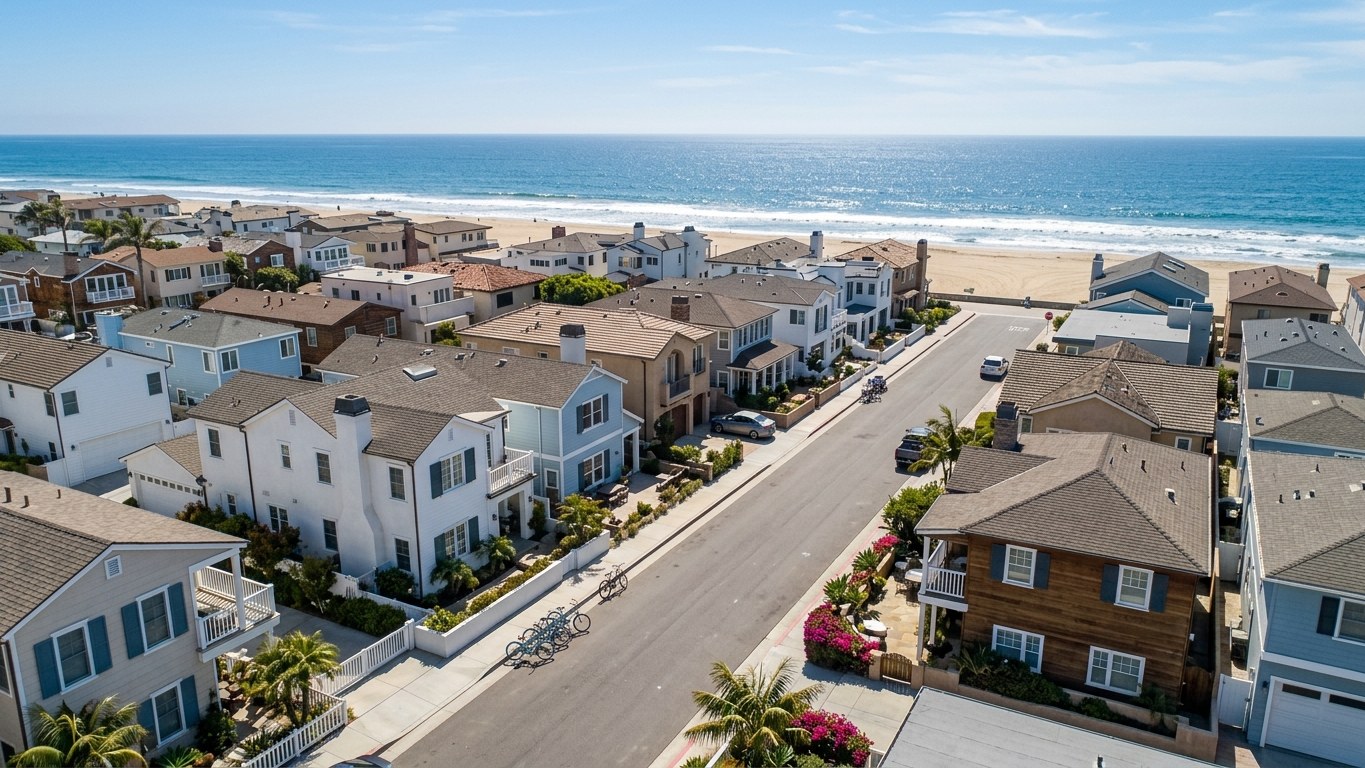
Tier determination, primary residence documentation, Mission Beach permit due diligence, TOT district assessment, we handle the compliance complexity for 18% of gross revenue, from Pacific Beach to La Jolla.
